Chronic pain is a multifaceted, often invisible experience that affects millions worldwide. While pain is a universal human experience, chronic pain sets itself apart by its persistence, often lasting for months or even years (Korwisi et al., 2021). Living with chronic pain can take a significant toll on an individual’s physical health, but what is less frequently acknowledged is the profound impact it has on mental health and overall well-being (Voorhees, 2022).
At Grit Psychology, we recognize the importance of understanding both the physical and psychological dimensions of chronic pain. This blog will explore the complexities of visible versus invisible pain, the psychological toll of unrecognized suffering, and how mental health is affected by the long-term nature of chronic pain.

Visible vs. Invisible Pain: The Difference Between What Is Seen and What is Felt
One of the most challenging aspects of chronic pain is that it is often invisible (Nicola et al., 2019). Unlike a broken bone in a cast or a visible injury, many individuals with chronic pain suffer in ways that are not externally apparent. This creates a unique struggle for those living with conditions such as fibromyalgia, migraines, or neuropathic pain, which do not have obvious outward signs.
Visible Pain refers to pain that can be easily recognized by others, whether through physical symptoms like swelling, limited mobility, or obvious discomfort. Those experiencing visible pain often receive more understanding and empathy from others. A visible limp, for example, signals to others that the individual is in pain, and requires consideration.
On the other hand, Invisible Pain refers to pain that goes unseen, leading to potential misunderstandings, judgements, or skepticism from others. Chronic back pain, endometriosis, or neuropathy may not present with external symptoms, but the individual experiencing these conditions lives with significant daily discomfort. The invisibility of such pain often leads to a lack of acknowledgement from family, friends, or even healthcare providers, adding to the emotional burden (Nicola et al., 2019).
The disparity between visible and invisible pain can make those with invisible conditions feel isolated or dismissed (Nicola et al., 2019). When pain is not acknowledged, individuals may internalize feelings of guilt, shame, or frustration, further impacting their mental health (Boring et al., 2021).
The Psychological Toll of Chronic Pain
Chronic pain, regardless of whether it is visible or invisible, can deeply affect mental health. Living in constant discomfort affects mood, cognition, and emotional resilience (Pahwa & Khan, 2022). It can lead to several psychological challenges, including:
The Impact of Unrecognized Pain on Mental Health
For those experiencing chronic pain, the social and psychological ramifications of having their pain of unrecognized or invalidated can be just as painful as the physical symptoms. This lack of recognition often results in:
Coping Strategies for Managing the Mental Health Impact of Chronic Pain
Living with chronic pain requires not only managing the physical symptoms but also developing strategies to protect mental health. Here are some coping strategies that individuals can explore.
Conclusion: The Path Forward
Chronic pain, whether visible or invisible, is a deeply personal and often isolating experience. The physical and emotional toll of long-term pain can strain mental health, leading to anxiety, depression, and social isolation. However, by acknowledging the unique physical psychological challenges associated with chronic pain and implementing healthy coping strategies, individuals can begin to reclaim a sense of control and improve their quality of life.
At Grit Psychology, we believe in the importance of a holistic approach to chronic pain management, addressing both the physical and mental health aspects of pain. For those living with chronic pain, it’s essential to know that their pain is valid, their experiences matter, and support is available.
If you or someone you know is struggling with the mental health impact of chronic pain, consider reaching out to a healthcare professional for guidance and support.
References
Bannon, S., Greenberg, J., Mace, R. A., Locascio, J. J., & Vranceanu, A. -M. (2021). The role of social isolation in physical and emotional outcomes among patients with chronic pain. General Hospital Psychiatry, 69, 50-54. https://doi.org/10.1016/j.genhosppsych.2021.01.009
Boring, B. L., Walsh, K. T., Nanavaty, N., & Mathur, V. A. (2021). Shame mediates the relationship between pain invalidation and Depression. Frontiers in Psychology, 12. https://doi.org/10.3389/fpsyg.2021.743584
Boulazreg, S., & Rokach, A. (2020). The lonely, isolating, and alienating implications of myalgic encephalomyelitis/ chronic fatigue syndrome. Healthcare, 8(4), 413. https://doi.org/10.3390/healthcare8040413
Burns, J. W., Jensen, M. P., Thorn, B., Lillis, T. A., Carmody, J., Newman, A. K., & Keefe, F. (2021). Cognitive therapy, mindfulness-based stress reduction, and behaviour therapy for the treatment of chronic pain: Randomized controlled trial.
Cohen, S. P., Vase, L., & Hooten, W. M. (2021). Chronic pain: an update on burden, best practices, and new advances. The Lancet, 397(10829), 2082-2097. https://www.thelancet.com/article/S0140-6736(21)00393-7/abstract
Declercq, J. (2021). Talking about chronic pain: Misalignment in discussions of the body, mind and Social Aspects in pain clinic consultations. Health: An Interdisciplinary Journal for the Social Study of Health, Illness and Medicine, 27(3), 378-397. https://doi.org/10.1177/13634593211032875
Gasslander, N., Andersson, G., Boström, F., Brandelius, L., Pelling, L., Hamrin, L., Gordh, T., & Buhrman, M. (2022). Tailored internet-based cognitive behavioral therapy for individuals with chronic pain and comorbid psychological distress: A randomized controlled trial. Cognitive Behaviour Therapy, 51(5), 408–434. https://doi.org/10.1080/16506073.2022.2065528
Grünenwald, I., Kaluza, A. J., Schultze, M., & van Dick, R. (2022). Stress mindset and social identification in chronic pain patients and their relationship to coping, well-being & depression. Journal of Clinical Psychology in Medical Settings, 30(1), 153–168. https://doi.org/10.1007/s10880-022-09883-8
Haack, M., Simpson, N., Sethna, N., Kaur, S., & Mullington, J. (2019). Sleep deficiency and chronic pain: Potential underlying mechanisms and clinical implications. Neuropsychopharmacology, 45(1), 205-216. https://doi.org/10.1038/s41386-019-0439-z
Korwisi, B., Barke, A., Rief, W., Treede, R.-D., & Kleinstäuber, M. (2021). Chronic pain in the 11th revision of the International Classification of Diseases: Users’ questions answered. Pain, 163(9), 1675–1687. https://doi.org/10.1097/j.pain.0000000000002551
Mullins, P. M., Young, R. J., & Bhattacharyya, N. (2023). Associations between chronic pain, anxiety, and depression among adults in the United States. Pain Practice, 23(6), 861-869. https://doi.org/10.1111/papr.13220
Nicola, M., Correia, H., Ditchburn, G., & Drummond, P. (2019). Invalidation of chronic pain: A thematic analysis of Pain narratives. Disability and Rehabilitation, 43(6), 861-869. https://doi.org/10.1080/09638288.2019.1636888
Opie, M., Raj, V., & Arnold, A. C. (2021). Psychological and psychiatric support; when, why, and what to do. Postural Tachycardia Syndrome: A Concise and Practical Guide to Management and Associated Conditions, 271-287. Springer.
Pahwa, S., & Khan, N. (2022). Factors affecting emotional resilience in adults. Management and Labor Studies, 47(2), 216-232. https://doi.org/10.1177/0258042x211072935
Perugino, F., De Angelis, V., Pompili, M., & Martelletti, P. (2022). Stigma and chronic pain. Pain and Therapy, 11(4), 1085-1094. Springer.
Slater, H., Jordan, J. E., O’Sullivan, P. B., Schütze, R., Goucke, R., Chua, J., Browne, A., Horgan, B., De Morgan, S., & Briggs, A. M. (2022). “listen to me, learn from me”: A priority setting partnership for shaping interdisciplinary pain training to strengthen chronic pain care. Pain, 163(11). https://doi.org/10.1097/j.pain.0000000000002647
Voorhees, H. L. (2022). “I was literally just not myself”: How chronic pain changes multiple frames of identity. Health Communication, 38(8), 1641-1653. https://doi.org/10.1080/10410236.2022.2025702
September is recognized globally as Suicide Prevention and Awareness Month. It’s a time to engage in open dialogue, spread awareness, and e quip ourselves with the tools to support those at risk of suicide. At Grit Psychology, we believe in the power of conversation and community to prevent tragic outcomes and help individuals find hope in their darkest moments. Suicide is a complex and multifaceted issue that impacts people of all ages, backgrounds, and circumstances. Raising awareness is critical because it creates opportunities for support, reduces stigma, and fosters a culture where individuals feel safe to reach out.
In this blog, we’ll explore the importance of suicide prevention, how to recognize the signs of suicide risk, and how to engage in meaningful, compassionate conversations that could help save a life.

Understanding Suicide: Key Facts and Myths
Suicide is a leading cause of death worldwide, and every year millions of people struggle with thoughts of taking their own life (World Health Organization, 2021). Yet, due to the stigma surrounding mental health and suicide, many suffer in silence. Debunking some common myths is a good starting point for breaking down barriers to conversation and support.
Myth: People who talk about suicide aren’t serious and won’t really go through with it.
Fact: Taking about suicide may be a person’s way of seeking help or expressing deep emotional pain (Maple et al., 2019). Taking such statements seriously and providing support is critical.
Myth: Asking someone about suicide might plant the idea in their mind.
Fact: Research Shows that asking someone directly if they are thinking about suicide does not increase the risk (Wärdig et al., 2022). Instead, it opens the door for important dialogue.
Muth: Only people with mental health disorders are at risk of suicide.
Fact: While mental illness, including depression and anxiety, increases suicide risk, many factors contribute to suicidal ideation, including trauma, life stressors, and feelings of hopelessness (Valderrama et al., 2020).
Recognizing the Warning Signs
Being able to recognize the signs that someone may be considering suicide is one of the most important tools for prevention. While everyone’s experience is unique, there are common warning signs that might indicate a person is at risk:
If you notice any of these signs in someone close to you, it is crucial to act. While it can be daunting, having a conversation with the individual could be lifesaving.
How to Have the Hard Conversations
Talking about suicide is not easy, but it is necessary. These conversations can feel uncomfortable, but they are essential in helping someone who may be at risk. Jobes (2023) offer some tips for approaching this sensitive topic:
Building a Culture of Awareness and Support
Suicide prevention requires a collective effort, and every individual can contribute by fostering a culture of support and openness. Reducing the stigma around mental health is key to ensuring that those struggling feel safe enough to reach out for help. Simple acts like checking in on loved ones, showing compassion, and educating ourselves about mental health can make a profound difference.
As a community, we need to challenge the misconceptions about suicide and mental health. At Grit Psychology, we are committed to supporting individuals and families navigating life’s challenges. If you or someone you know is struggling, we encourage you to reach out to our team for compassionate, professional care. You are not alone, and help is available.
Resources for Suicide Prevention
At Grit Psychology, we’re here to support you and your loved ones through life’s toughest challenges. Let’s work together to promote mental wellness and prevent suicide – one conversation at a time.
References
Bagge, C. L., Littlefield, A. K., Wiegand, T. J., Hawkins, E., Trim, R. S., Schumacher, J. A., Simons, K., & Conner, K. R. (2022). A controlled examination of acute warning signs for suicide attempts among hospitalized patients. Psychological Medicine, 53(7), 2768-2776. https://doi.org/10.1017/s0033291721004712
Homan, S., Gabi, M., Klee, N., Bachmann, S., Moser, A. -M., Duri’, M., Michel, S., Bertram, A. -M., Maatz, A., Seiler, G., Stark, E., & Kleim, B. (2022). Linguistic features of suicidal thoughts and behaviors: A systematic review. Clinical Psychology Review, 95, 102161. https://doi.org/10.1016/j.cpr.2022.102161
Jobes, D. A. (2023). Managing suicidal risk: A collaborative approach. Guilford Publications.
Kim, E. J., Kim, Y., Lee, G., Choi, J. H., Yook, V., Shin, M., & Jeon, H. J. (2021). Compare warning signs of suicide between suicide descendants with depression and those non-diagnosed psychiatric disorders. Suicide and Life-Threatening Behavior, 52(2), 178-189. https://doi.org/10.1111/sltb.12739
Maple, M., Frey, L. M., McKay, K., Coker, S., & Grey, S. (2019). “nobody hears a silent cry for help”: Suicide survivors’ experiences of disclosing during and after a crisis. Archives of Suicide Research, 24(4), 498-516. https://doi.org/10.1080/13811118.2019.1658671
Valderrama, J., Macrynikola, N., & Miranda, R. (2020). Early life trauma, suicide ideation, and suicide attempts: The role of rumination and impulsivity. Archives of Suicide Research, 26(2), 731-747. https://doi.org/10.1080/13811118.2020.1828208
Wärdig, R., Engström, A.-S., Carlsson, A., Wärdig, F., & Hultsjö, S. (2022). Saving lives by asking questions: Nurses’ experiences of suicide risk assessment in telephone counselling in Primary Health Care. Primary Health Care Research & Development, 23. https://doi.org/10.1017/s146342362200055x
World Health Organization. (2021). Suicide worldwide in 2019: global health estimates. World Health Organization. https://iris.who.int/bitstream/handle/10665/341728/9789240026643-eng.pdf?sequence=1.
At Grit Psychology, we understand that caregiving is an act of love and dedication, often requiring caregivers to sacrifice their time, energy, and emotional well-being to support others. While caregiving can be deeply fulfilling, it can also lead to a phenomenon known as caregiver burnout. Caregiver burnout is a state of physical, emotional, and mental exhaustion that occurs when the demands of caregiving become overwhelming (Broxon & Feliciano, 2020). This blog explores the psychology behind caregiver burnout, its signs and symptoms, and strategies to manage and prevent it.
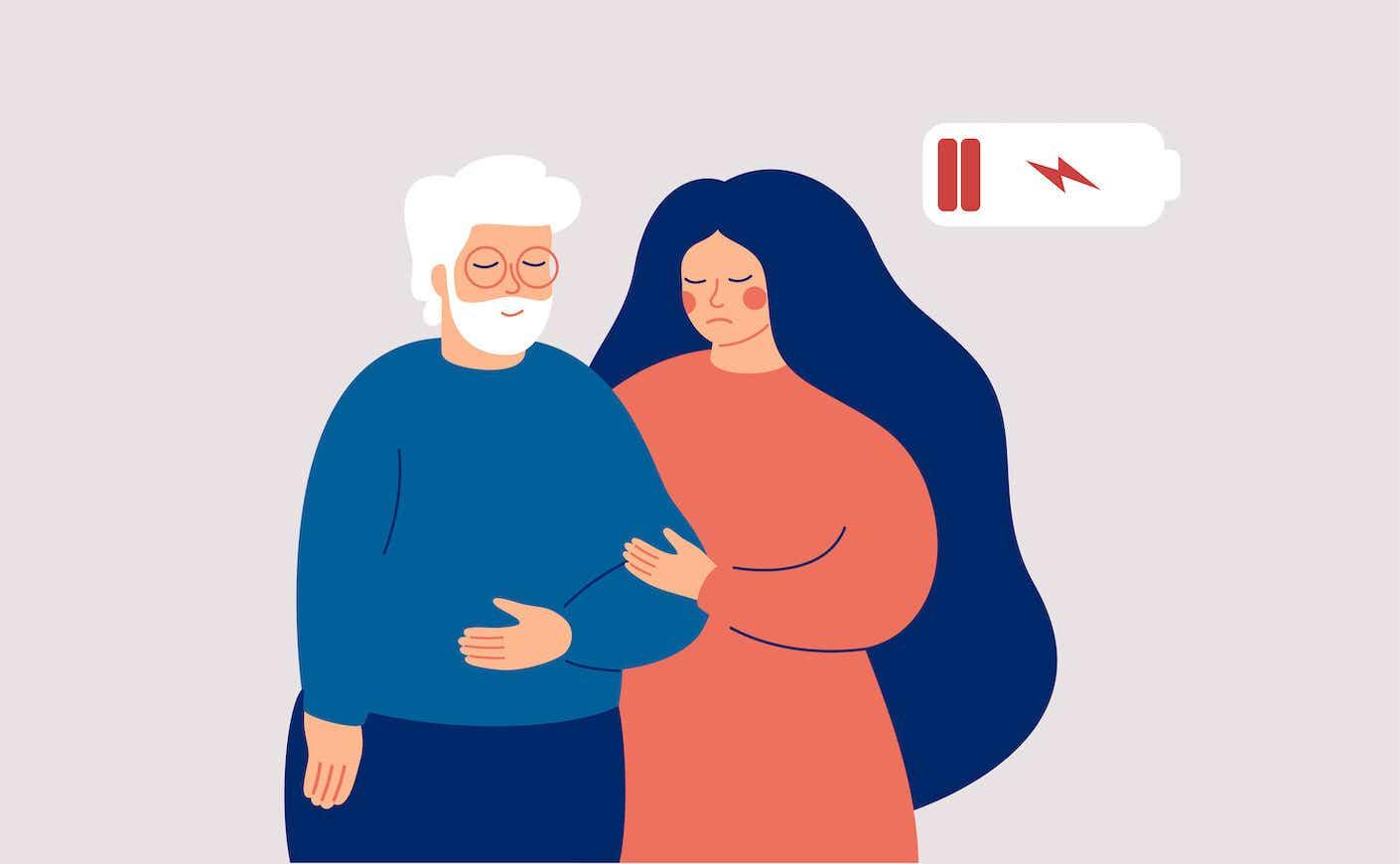
The Role of Caregivers
Caregivers provide essential support to individuals who may be elderly, chronically ill, or disabled, ensuring their physical, emotional, and medical needs are met. This role often extends to assisting with daily activities such as bathing, dressing, medication management, and providing emotional support. While many caregivers find purpose in their role, the relentless nature of caregiving can lead to exhaustion, feelings of helplessness, and burnout (Broxon & Feliciano, 2020).
The Psychology Behind Caregiver Burnout
Chronic Stress
Caregivers often face chronic stress due to the constant demands of caregiving. The ongoing pressure to be available, coupled with the emotional weight of seeing a loved one suffer, can lead to prolonged stress. This chronic stress can have significant psychological effects, including anxiety, depression, and irritability (Pinyopornpanish, et al., 2022).
Role Strain
Many caregivers juggle multiple roles, such as being a parent, spouse, or employee, in addition to their caregiving duties. This role strain can lead to feelings of inadequacy and guilt, as caregivers may feel they are not meeting the needs of their loved ones or themselves (Koch et al., 2021).
Emotional Toll
Watching a loved one decline in health or struggle with a chronic condition can be emotionally taxing. Caregivers may experience anticipatory grief, sadness, and a sense of loss as they witness changes in their loved one’s condition (Coelho et al., 2019). These emotions can accumulate over time, leading to emotional exhaustion and burnout.
Lack of Control
Caregivers may feel powerless in their situation, especially if their loved one’s condition is not improving or is deteriorating (Gray, 2023). This perceived lack of control can lead to frustration, anger, and a sense of hopelessness, further contributing to burnout.
Isolation
Caregiving can be a lonely experience, as caregivers may become isolated from their social circles and support networks. The demands of caregiving often leave little time for social activities or self-care, leading to feelings of loneliness and detachment (Lee et al., 2021).
Signs and Symptoms of Caregiver Burnout
Recognizing the signs of caregiver burnout is crucial for early intervention and management. Broxon et al. (2020) share some common signs:
Preventing and Managing Caregiver Burnout
At Grit Psychology, we believe that caregivers deserve the same level of care and support that they provide to others. Here are some strategies to help manage and prevent caregiver burnout.
Conclusion
Caregiver burnout is a serious and common challenge faced by those who selflessly dedicate themselves to the care of others. Understanding the psychology behind burnout, recognizing its signs, and implementing strategies to manage and prevent it are essential steps in ensuring that caregivers can continue to provide care without sacrificing their own well-being. At Grit Psychology, we are here to support caregivers in their journey, offering resources and counseling to help them navigate the challenges of caregiving with resilience and compassion. If you or someone you know is experiencing caregiver burnout, please reach out to us. You don’t have to face this alone; help is available.
References
Broxson, J., & Feliciano, L. (2020). Understanding the impacts of caregiver stress. Professional Case Management, 25(4), 213-219. https://doi.org/10.1097/ncm.0000000000000414
Coelho, A., de Brito, M., Teixeira, P., Frade, P., Barros, L., & Barbosa, A. (2019). Family caregivers’ anticipatory grief: A conceptual framework for understanding its multiple challenges. Qualitative Health Research, 30(5), 693-703. https://doi.org/10.1177/1049732319873330
Gray, T. F. (2023). Suffering of Caregivers, Loved Ones, and the Community. The Nature of Suffering and the Goals of Nursing, 161. Google Books. https://books.google.ca/books?hl=en&lr=&id=d-3DEAAAQBAJ&oi=fnd&pg=PA161&dq=Caregivers+may+feel+powerless+in+their+situation,+especially+if+their+loved+one%E2%80%99s+condition+is+not+improving+or+is+deteriorating.+&ots=viuIvJDqxL&sig=7GYvMIocZsc7X6fwiuSHTu_A4vc#v=onepage&q&f=false
Jarling, A., Rydström, I., Ernsth‐Bravell, M., Nyström, M., & Dalheim‐Englund, A. (2019). A responsibility that never rests – the life situation of a family caregiver to an older person. Scandinavian Journal of Caring Sciences, 34(1), 44–51. https://doi.org/10.1111/scs.12703
Koch, A., Kozhumam, A. S., Seeler, E., Docherty, S. L., & Brandon, D. (2021). Multiple roles of parental caregivers of children with complex life-threatening conditions: A qualitative descriptive analysis. Journal of Pediatric Nursing, 61, 67-74. https://doi.org/10.1016/j.pedn.2021.03.017
Lee, J., Baik, S., Becker, T. D., & Cheon, J. H. (2021). Themes describing social isolation in family caregivers of people living with dementia: A scooping review. Dementia, 21(2), 701-721. https://doi.org/10.1177/14713012211056288
Perrier, T. (2023). For the caregiver: Providing Yourself Emotional Support on Your Caregiving Journey. FriesenPress.
Pinyopornpanish, K., Wajatieng, W., Niruttisai, N., Buawangpong, N., Angkurawaranon, C., & Jiraporncharoen, W. (2022). Violence against caregivers of older adults with chronic diseases is associated with caregiver burnout and depression: a cross-sectional study. BMC geriatrics, 22(1), 264. Springer Link.
Sabo, K., & Chin, E. (2021). Self-care needs and practices for the older adult caregiver: An integrative review. Geriatric Nursing, 42(2), 570-581. https://doi.org/10.1016/j.gerinurse.2020.10.013
Most people get nervous in social situations sometimes. A job interview, a first date, speaking in front of a group. That kind of nerves is pretty normal and usually fades once the moment passes.
Social anxiety is something different. It doesn't really fade. And for a lot of people, it's running quietly in the background of almost every social interaction they have, every single day.
This is probably the most important thing to say upfront, because the two get confused constantly.
Shyness is a personality trait. Some people are naturally more reserved, take longer to warm up, prefer smaller groups. That's just who they are, and there's nothing wrong with it.
Social anxiety is a condition. It's characterized by an intense, persistent fear of being watched, judged, or humiliated by other people. And unlike shyness, it doesn't just make social situations feel a bit uncomfortable. It can make them feel genuinely unbearable.
The person who turns down every invitation not because they don't want to go, but because the thought of walking into a room full of people makes their chest tight and their mind race through every possible way it could go wrong. The person who replays a conversation from three days ago at 2am, convinced they said something that made them look stupid. The person who orders something they don't actually want at a restaurant because asking a question felt like too much risk.
That's social anxiety. And it is exhausting in a way that's really hard to explain to someone who hasn't felt it.
At its core, social anxiety involves the brain treating social situations as threats. Not metaphorical threats. Actual, physical, this-might-not-be-safe threats.
Which is why the physical symptoms are so real. Heart racing. Face flushing. Voice going shaky. Sweating in situations that shouldn't be making you sweat. Stomach dropping right before you have to walk into somewhere new.
Your body is genuinely reacting as though something dangerous is happening. That's not dramatic or made up. That's your nervous system doing what it was built to do, just misfiring in the context of a work meeting or a dinner party.
The thoughts that come with it tend to follow a pretty consistent pattern too. Assuming people are judging you more harshly than they actually are. Imagining worst case scenarios and treating them as likely outcomes. Replaying interactions afterward and editing them in the most unflattering direction. Believing that any awkward moment was far more noticeable to everyone else than it actually was.
None of that is a character flaw. It's a set of patterns that the brain learned somewhere along the way, and patterns can be changed.
Here's what doesn't always get talked about.
Social anxiety doesn't just affect the moments when you're in a social situation. It affects the buildup. The anticipation of something can be just as draining as the thing itself. Sometimes more.
A person with social anxiety might spend three days dreading a party before it happens, feel anxious for the entire time they're there, and then spend two days afterward going over everything they said. That's a week of their life consumed by a two hour event.
And because avoidance brings temporary relief, a kind of short term quiet that comes from not having to face the thing you're afraid of, it's easy to fall into the habit of pulling back more and more. Saying no becomes the default. Life slowly gets smaller without it feeling like a choice.
That's the part that worries people most when they finally talk about it. Not just the anxiety in the moment, but the way it quietly shrinks the life they were hoping to live.
Social anxiety responds really well to treatment. That's not a throwaway line. It's one of the anxiety conditions with some of the strongest evidence behind its treatment outcomes.
Cognitive Behavioural Therapy, CBT, is usually the starting point, and for good reason. It works directly with the thought patterns and avoidance behaviours that keep social anxiety going. Over time, with the right support, people learn to recognize the thoughts that aren't actually accurate, test out situations they've been avoiding, and build up a genuine body of evidence that things usually go better than their anxiety predicted.
It's not a quick fix. And it involves doing things that feel uncomfortable, at least for a while. But the people who come through it often describe feeling like they got their life back. Like whole parts of themselves that had been quietly shut down started opening up again.
If social situations have been making your world smaller, if you've been saying no to things you actually want, if the anxiety is affecting your relationships, your work, or just your everyday sense of ease in the world, that's worth taking seriously.
You don't have to be at rock bottom to ask for help. You don't have to have the worst case of social anxiety anyone has ever seen. If it's getting in the way of the life you want, that's reason enough.
At Grit Psychology, we work with people navigating social anxiety every day. It looks different for everyone, and the work we do together is always built around the individual, not a one size fits all approach. If you've been thinking about reaching out, this is your sign to actually do it.
You deserve to take up space in the world without it costing you this much.

