The journey of women’s mental health has been marked by extraordinary challenges, remarkable resilience, and powerful progress. Today, we celebrate the strides made over the centuries and recognize the ways societal, cultural, and scientific advancements have contributed to understanding women’s unique mental health needs. Yet, significant challenges remain. This piece examines the evolution of women’s mental health care, from historical perspectives to contemporary struggles, highlighting both progress made and the path that lies ahead.
A Historical Glance: Women’s Mental Health in a World of Stigma
Historically, women's mental health struggles were often misunderstood and stigmatized. From the ancient Greeks to Victorian England, the medical community frequently attributed women’s emotional and mental health symptoms to “hysteria,” which was often linked to the reproductive system (Tasca et al., 2012). Hysteria, a term now debunked and considered offensive, was used to pathologize a wide range of behaviors—grief, anxiety, sadness, or anger—implying they were symptoms of a uniquely female disorder rooted in the uterus. Treatments for this supposed disorder ranged from institutionalization to shock therapies, emphasizing a view that mental health issues in women were aberrations rather than genuine health concerns.
Women who experienced mental health struggles were frequently treated with suspicion, often labeled as “mad” or “unstable,” reinforcing a pervasive belief that emotional resilience was incompatible with femininity (Pratt, 2024). This stigma around women’s emotional expressions persisted well into the 20th century, further isolating and silencing women in need of compassionate care. It wasn’t until the early feminist movements of the 1960s and 1970s that women’s mental health began to be recognized as a distinct field requiring specialized attention and treatment (Olesen & Lewin, 2022).
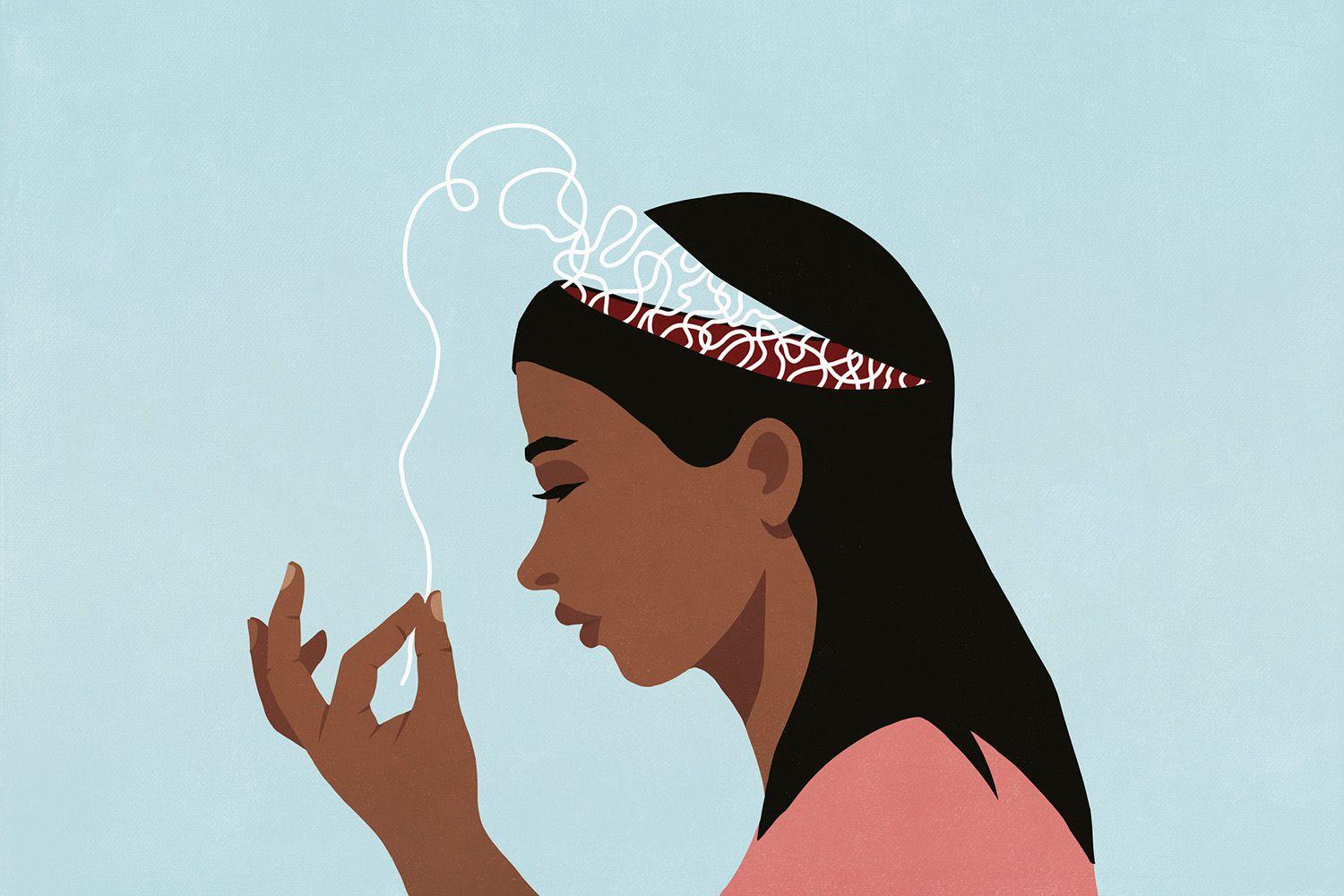
The Women’s Rights Movement: Catalyzing Mental Health Awareness
The women’s rights movement played a pivotal role in reshaping mental health care for women. As women fought for the right to vote, equal pay, and fair treatment in the workforce, they also challenged the limited and often harmful mental health practices directed at them (Olesen & Lewin, 2022). The feminist movement called for an end to misogynistic stereotypes that depicted women as overly emotional or mentally weak. This activism prompted significant changes in psychology and psychiatry, urging professionals to acknowledge the social and systemic issues impacting women’s mental health.
In the 1970s and 1980s, these movements propelled research into conditions such as postpartum depression, premenstrual dysphoric disorder (PMDD), and eating disorders—conditions predominantly affecting women but previously unrecognized or misdiagnosed (Perez, 2024; Tang, 2024). This shift led to increased awareness, better diagnostic criteria, and the emergence of gender-sensitive approaches in mental health care. By advocating for a nuanced understanding of women’s experiences, feminist activists contributed to a more inclusive and empathetic approach in mental health research and practice (Olesen & Lewin, 2022).
Mental Health Challenges Unique to Women
Despite progress, women today continue to face mental health challenges influenced by unique biological, social, and cultural factors. Biological distinctions, such as hormonal fluctuations related to menstruation, pregnancy, and menopause, can play a significant role in women’s mental health, influencing mood and susceptibility to conditions like depression and anxiety (Tang, 2024). Social factors, including gender-based violence, discrimination, and societal expectations, exacerbate mental health issues, often leading women to experience higher rates of anxiety and depression than men (Srivastava & Anand, 2020).
Women are also more likely to experience intimate partner violence, which can lead to complex trauma and post-traumatic stress disorder (PTSD) (Srivastava & Anand, 2020). According to recent studies, approximately one in three women worldwide experiences physical or sexual violence in her lifetime, often at the hands of a partner (World Health Organization, 2021). This has profound implications for mental health, highlighting the need for trauma-informed care and support systems tailored to women’s experiences.
Modern Progress: A New Era for Women’s Mental Health
In recent decades, society has made great strides toward improving mental health care for women (Sparling et al., 2021). The inclusion of women in clinical trials, for instance, marked a significant turning point, allowing researchers to study how treatments and medications affect women differently than men. Policies now mandate that women and gender-specific variables be considered in research, leading to a greater understanding of how mental health conditions manifest differently in women (Anand, 2020; Christiansen et al., 2022).
Additionally, the destigmatization of mental health, spurred by awareness campaigns and advocacy, has empowered more women to seek help. Social media platforms have given a voice to women’s mental health advocates, encouraging open conversations around experiences such as postpartum depression, PMDD, and burnout (de Castro, 2023). These platforms provide a space for women to share their stories and access resources, creating a sense of community and support.
The rise of gender-specific therapies, trauma-informed care, and support networks for conditions like PTSD and eating disorders are also changing the landscape (Perez, 2024; Tang, 2024). Women’s health organizations and nonprofits are now devoted exclusively to addressing these unique mental health needs. Treatments tailored to female-specific conditions, including cognitive behavioral therapy (CBT) for women with anxiety and trauma therapies are sensitive to the nuances of gender, offer evidence-based approaches that acknowledge and address these distinctions (Zakhour et al., 2024).
Ongoing Challenges and the Path Forward
While progress is undeniable, numerous challenges continue to hinder women’s mental health globally (Perez, 2024; Pratt, 2024). Mental health care remains inaccessible for many, particularly for women in underserved and marginalized communities. Stigma and shame persist, especially in cultures where discussing mental health openly is discouraged. Additionally, societal pressures, such as balancing career and family or meeting standards of beauty and behavior, continue to place undue mental strain on women.
The burden of caregiving, which disproportionately falls on women, also impacts mental health (Whitesides & Lynn, 2021). Women are more likely to care for children, elderly parents, and sick relatives, often balancing these responsibilities with careers. The emotional toll of caregiving can lead to burnout, depression, and anxiety, conditions exacerbated by a lack of support and recognition for the unpaid work many women do.
Addressing these ongoing issues requires a commitment from all levels of society. Advocating for policies that support mental health care access, protect women from gender-based violence, and promote gender equality are crucial steps. Additionally, expanding research to include diverse populations of women and increasing funding for gender-specific mental health initiatives can help bridge the gaps that remain.
Celebrating Women’s Resilience and the Role of Community
Women have been at the forefront of the movement to de-stigmatize mental health, breaking down barriers that have long isolated individuals struggling with mental illness (Olesen & Lewin, 2022). By openly discussing their experiences, women have helped normalize mental health conversations, creating a more compassionate and understanding world.
Communities play a critical role in supporting women’s mental health by fostering connection and reducing isolation (Olesen & Lewin, 2022). Women’s support groups, online communities, and advocacy organizations offer safe spaces where women can connect, share, and heal together. The strength of these communities underscores the power of shared experiences and the importance of collective resilience.
Conclusion: Continuing the Journey Toward Comprehensive Care
While women’s mental health has come a long way, the journey toward comprehensive, accessible, and equitable care continues. As we celebrate the progress made, it’s essential to address the disparities that still affect women worldwide. By acknowledging the unique challenges women face and advocating for better mental health resources, we can create a world where every woman has the opportunity to thrive.
At Grit Psychology, we are committed to supporting women’s mental health through evidence-based practices, compassionate care, and a recognition of each woman’s unique experiences. We honor the resilience of women everywhere and stand by them on the journey toward healing and empowerment. Through ongoing advocacy, education, and community-building, we hope to contribute to a future where women’s mental health is prioritized, understood, and celebrated.
Our city is struggling. Behind closed doors, within overcrowded homes or classrooms, and in isolation, the people of Edmonton face a silent mental health emergency. As we confront the crushing realities of financial instability, unemployment, substance abuse, and loneliness, our friends and neighbours grapple with depression, anxiety, trauma, and other mental health issues, largely unseen. For too long, the misconceptions around mental illness have prevented honest discussion and compassionate understanding. The time has come to bring this crisis into the light.
Mental health in Edmonton demands our attention, our empathy, and our action. The struggle is real and widespread, touching every demographic, every community, and multiple generations. When the cost of living climbs but wages stay stagnant, when basic needs go unmet, when substance abuse offers an escape from the distress, our mental health suffers.
“More than residents of any other province, Albertans say they are feeling stressed, angry, lonely, or depressed. 2 in 5 Albertans say financial concerns have been a source of stress in the past two weeks, and roughly 1 in 2 (45%) say being able to cope with uncertainty has been. Those numbers are the highest of any province across Canada.”1
But there is always hope, no matter how bleak things may appear. To anyone reading this who sees their own struggles reflected, please know you are not alone. Help exists here in our city, in the form of counsellors, psychiatrists, support groups, crisis lines, and people who care. Your suffering is valid, your struggles are real, but you need not face them in silence any longer. Asking for help takes immense courage, but it can be the first step on the path to healing. You matter. Your life matters.

We all have a role to play in breaking down barriers and providing support. The time for change is now. As a community, we must step up and face this crisis with compassion. We need honest conversations, increased mental health funding, addiction treatment programs, and an openness to truly listen, understand, and be there for one another.
Together, as a community, we all have a role to play. Mental health in Edmonton, is a collective responsibility that demands our unwavering commitment to breaking down barriers and providing non-judgemental support. Let us engage in honest conversations, advocate for increased mental health funding, champion addiction treatment programs, and cultivate a culture of genuine listening and understanding. The time for change is now.
References
1 Holden, L. (2022, October 24). Half of Albertans report deteriorating mental health. CMHA Edmonton. https://edmonton.cmha.ca/news-releases/wave-4-research/
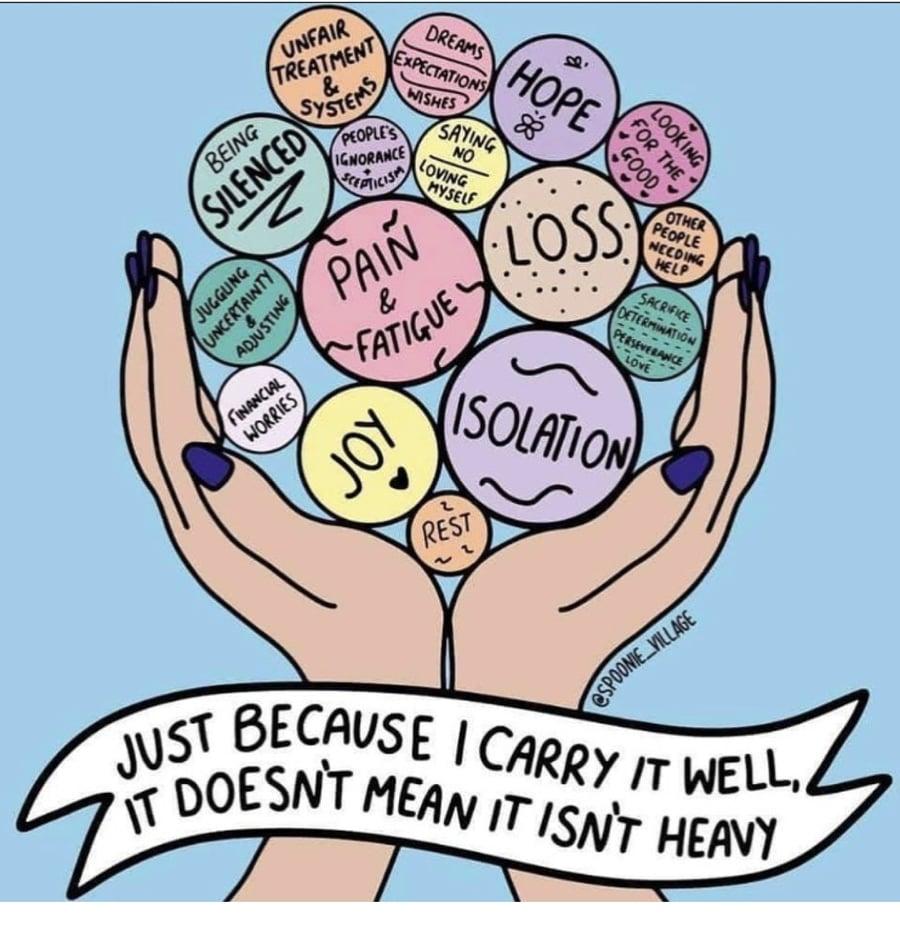
Invisible disabilities, also known as hidden disabilities, are conditions that significantly impact a person's daily life but are not immediately apparent to others. Unlike visible disabilities, such as those that require mobility aids, invisible disabilities might not show any physical signs, which can lead to misunderstanding and a lack of support from society. These conditions can range from chronic illnesses and mental health disorders to neuro-developmental and cognitive impairments. Despite the lack of visible symptoms, individuals with invisible disabilities often face numerous challenges, including stigma, isolation, and a lack of accommodations. This blog will explore the concept of invisible disabilities, highlight common conditions, and offer guidance on how to provide support.
What Are Invisible Disabilities?
Invisible disabilities encompass a wide range of conditions that are not immediately noticeable. Some of the most common include:
Invisible disabilities may also involve a combination of physical and mental health symptoms (Brown & Leigh, 2020). For example, a person with chronic pain may also experience anxiety or depression due to the ongoing nature of their condition. Because symptoms are not always obvious, those with invisible disabilities often face skepticism and misunderstanding from others, which can exacerbate their challenges.
The Challenges Faced by Individuals with Invisible Disabilities
How to Support Individuals with Invisible Disabilities
Supporting someone with an invisible disability requires empathy, patience, and a willingness to learn. Goodwin (2020) offer some ways to be a more supportive ally:
Creating a More Inclusive Society
Advocacy and policy changes are critical for improving the lives of individuals with invisible disabilities. Companies, educational institutions, and public facilities should prioritize creating inclusive environments that offer accommodations for all types of disabilities, visible and invisible. Some actions that can help create a more inclusive society include:
Conclusion
Invisible disabilities are a part of the lives of millions of people, yet they often go unrecognized and misunderstood. By taking the time to learn, listen, and advocate, we can help create a more inclusive and supportive environment for those with hidden conditions. It starts with small acts of kindness, empathy, and understanding that can make a world of difference for someone who is struggling. At Grit Psychology, we believe that every individual deserves respect, support, and the opportunity to thrive, regardless of whether their disability is visible to others.
References
Abney, A., Denison, V., Tanguay, C., & Ganz, M. (2022). Understanding the unseen: Invisible disabilities in the Workplace. The American Archivist, 85(1), 88–103. https://doi.org/10.17723/2327-9702-85.1.88
Ahtoy, P. (2024). Behind the hidden struggles linked to invisible disabilities. understanding their impact to increase mental health awareness for Enhanced Professional Care. Ethics, Medicine and Public Health, 32, 101016. https://doi.org/10.1016/j.jemep.2024.101016
Brown, N., & Leigh, J. (2020). 8. Invisible disability, unacknowledged diversity. In Ableism in academia: Theorising experiences of disabilities and chronic illnesses in higher education (pp. 143-160). University College London.
Dreyer, L., Mostert, Y., & Gow, M. A. (2020). The promise of equal education not kept: Specific learning disabilities–The invisible disability. African journal of disability, 9(1), 1-10.
Goodwin, M. E. (2020). Making the Invisible Visible: Let's Discuss Invisible Disabilities. HAPS Educator.
Hendry, G., Wilson, C., Orr, M., & Scullion, R. (2022). “I just stay in the house so I don’t need to explain”: A qualitative investigation of persons with Invisible Disabilities. Disabilities, 2(1), 145–163. https://doi.org/10.3390/disabilities2010012
Leong, K.-H., Yip, H.-T., Kuo, C.-F., & Tsai, S.-Y. (2022). Treatments of chronic fatigue syndrome and its debilitating comorbidities: A 12-year population-based study. Journal of Translational Medicine, 20(1). https://doi.org/10.1186/s12967-022-03461-0
Mamboleo, G., Dong, S., Anderson, S., & Molder, A. (2020). Accommodation experience: Challenges and facilitators of requesting and implementing accommodations among college students with disabilities. Journal of Vocational Rehabilitation, 53(1), 43-54.
McLeod, J. D. (2023). Invisible disabilities and inequality. Social Psychology Quarterly, 86(1), 6–29. https://doi.org/10.1177/01902725231153307
Mental health and physical wellbeing rarely exist in isolation. The way we feel shapes what we're able to do, and what we're able to do shapes how we feel. Occupational therapy understands that connection in a way that's sometimes hard to find in other forms of support.
If you've heard the term but aren't quite sure what it actually involves, or whether it might be relevant to you, this is a good place to start.
What Is Occupational Therapy?
Occupational therapy, often called OT, is a form of treatment that helps people develop, recover, or maintain the skills they need for everyday life. That includes everything from personal care and household tasks to work, education, relationships, and leisure.
What sets it apart is its holistic lens. Rather than focusing narrowly on a single symptom or diagnosis, occupational therapists look at the whole picture: who you are, what your life looks like, what matters to you, and what's getting in the way of you being able to live it fully. The goal isn't just to manage what's hard. It's to help you build a life that feels genuinely meaningful and sustainable.
OT works across all ages and a wide range of challenges, physical, emotional, and cognitive, and it's more adaptable than people often expect.
The Benefits of Occupational Therapy
One of the things people most often notice after starting OT is a quiet but real shift in confidence. When you start being able to do things that felt out of reach, whether that's managing a morning routine, returning to work, or simply getting through a day without feeling completely depleted, something changes in how you see yourself.
Beyond that, OT offers practical support in a number of important areas.
For people navigating mental health conditions like anxiety, depression, PTSD, or ADHD, occupational therapists draw on evidence-based approaches including Acceptance and Commitment Therapy, motivational interviewing, and exposure therapy to help clients manage symptoms, build coping strategies, and re-engage with the activities that give life meaning.
For those dealing with cognitive challenges such as memory difficulties, attention deficits, or the effects of a brain injury, OT provides targeted strategies to improve focus, organisation, and day-to-day functioning. These aren't generic tips. They're tailored to how your brain actually works and what your life actually demands.
For people recovering from injury, surgery, or illness, occupational therapists support the process of rebuilding strength, relearning skills, and finding new ways to do things that may have changed. The emphasis is always on what's possible, not what's been lost.
And for older adults, OT can be genuinely life-changing. Maintaining independence, staying engaged in activities that bring joy, managing chronic conditions with more ease, these are things that matter deeply and that good occupational therapy can meaningfully support.
Who Can Benefit?
Occupational therapy is relevant to more people than most realise. You don't need a specific diagnosis or a dramatic crisis to benefit from it.
That said, it tends to be particularly valuable for people dealing with mental health conditions like anxiety, depression, PTSD, ADHD, or personality disorders. For older adults managing the challenges that come with aging. For anyone recovering from an injury, surgery, or illness that has affected their ability to function day to day. And for people with cognitive difficulties who need practical strategies to navigate a world that can feel overwhelming.
If you're finding that something is getting in the way of you living the life you want, whether that's emotional, physical, or cognitive, OT is worth considering.
A Note on Finding the Right Fit
Like any therapeutic relationship, occupational therapy works best when there's genuine alignment between what you need and how your therapist works. A good OT will keep communication open, adjust the approach as things evolve, and make sure that the goals you're working toward are actually your goals.
If at any point the process feels misaligned or the pace feels off, that's worth saying. A therapist who's doing their job well will want to know.
Final Thoughts
Occupational therapy is, at its heart, about helping people live more fully. Not just managing symptoms or getting through the day, but actually participating in the things that matter to them, with more ease, more confidence, and more of a sense that life is something they're actively living rather than just surviving.
At Grit Psychology, we believe that comprehensive wellbeing means looking at the whole person. Occupational therapy is one of the most powerful ways to do exactly that. If you're curious about whether it might be right for you, we'd love to have that conversation.

