Postpartum Depression Counselling

What Is Postpartum Depression?

Having a baby can bring enormous change, and for some parents, the weeks and months after birth feel much harder than expected. Postpartum depression is a form of depression that can develop in the weeks or months after having a baby. While some emotional ups and downs are common after birth, postpartum depression tends to last longer and can begin to affect your mood, relationships and everyday life.

It does not always look like intense sadness. You might feel overwhelmed, irritable, anxious, disconnected or emotionally numb. You may struggle to enjoy things, feel unlike yourself or find it difficult to connect with your new role as a parent. And you can love your baby deeply while still having a difficult time.

Counsellors for Postpartum Depression

Therapy for postpartum depression can help you make sense of what you're feeling and figure out what you need to feel better. Counselling may focus on managing depression and anxiety, working through guilt or difficult thoughts, adjusting to changes in your identity and relationships, building realistic coping strategies and finding ways to care for yourself while caring for your baby. If a new baby has shifted things between you and your partner, couples therapy can help you reconnect and work as a team.

Rosa Rino
Virtual & In-Person

Rosa Rino

Provisional Psychologist
$220 per hour
Rosa supports teens, adults & couples with relationships, anxiety, depression, identity, grief, stress, burnout & self-esteem.
Camila Schroh
Virtual & In-Person

Camila Schroh

Provisional Psychologist
$220 per hour
Camila supports teens & adults with anxiety, depression, ADHD, trauma & emotional overwhelm, plus psycho-educational assessments.
Emma Godin
Virtual & In-Person

Emma Godin

Provisional Psychologist
$200 per hour
Emma helps teens & adults with anxiety, depression, OCD, ADHD, trauma, self-harm, grief, life transitions, panic attacks & more.
Calen Jobson
Virtual & In-Person

Calen Jobson

Registered Psychologist
$220 per hour
Calen works with individuals & athletes on anxiety, depression, stress, trauma, grief, self-esteem, relationships & performance issues.

Jennifer Berrow
Virtual & In-Person

Jennifer Berrow

Provisional Psychologist
$200 per hour
Jennifer supports teens & adults through anxiety, depression & ADHD with neuro-affirming, strength-based care.

Anne Walsh
Virtual & In-Person

Anne Walsh

Provisional Psychologist
$220 per hour
Anne helps individuals 16+ navigate anxiety, trauma, and burnout with practical tools for clarity, balance, and confidence.
Cara Hason
Virtual Only

Cara Hason

Registered Psychologist
$220 per hour
Cara has 10+ years helping adults with anxiety, depression, trauma, panic attacks, OCD, PTSD, relationship & perinatal issues.
Jaimee Grossklaus
Virtual & In-Person

Jaimee Grossklaus

Registered Psychologist
$220 per hour
aimee works with adults on anxiety, trauma (PTSD), depression, stress, low self-esteem, work concerns & brain injuries.
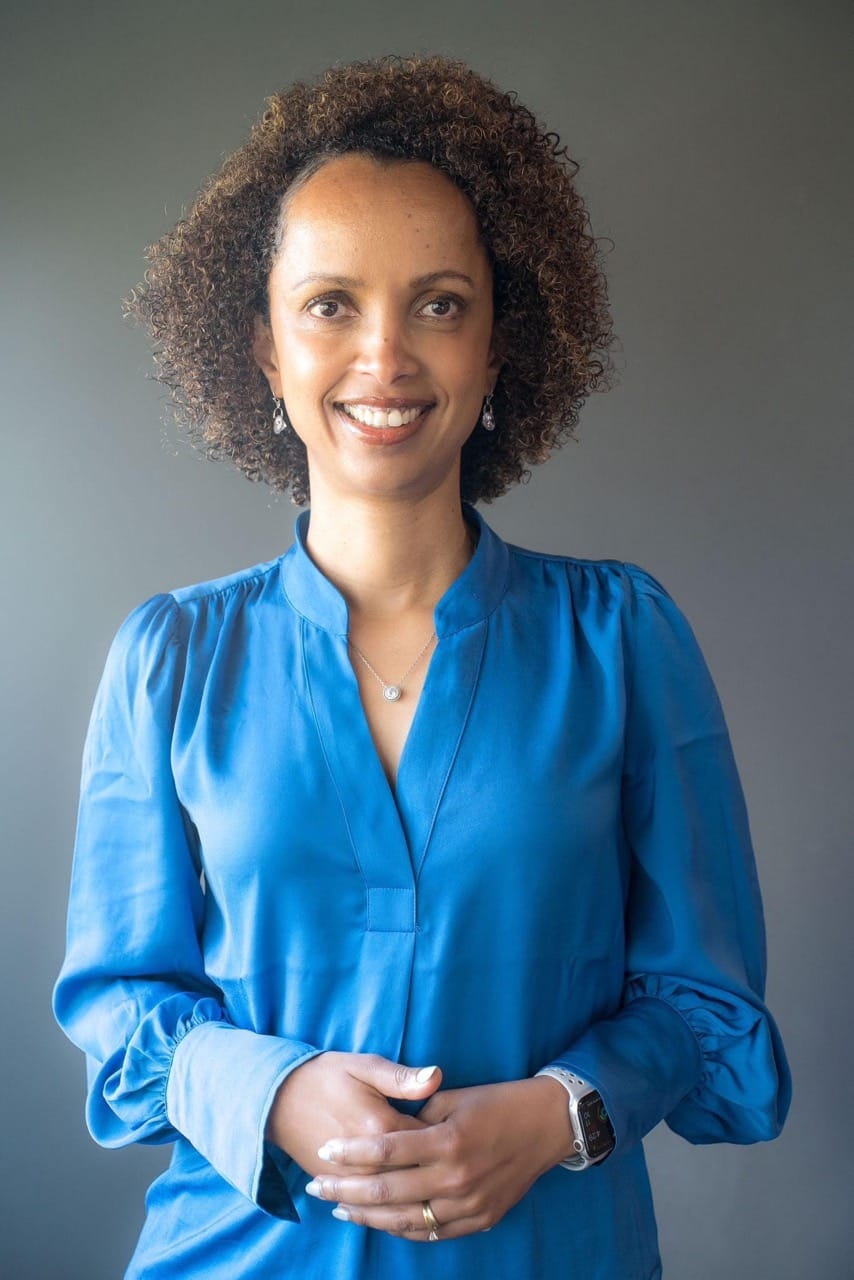
Lule Begashaw
Virtual & In-Person

Lule Begashaw

Registered Psychologist
$220 per hour
Lule supports diverse individuals through healing & growth, rooted in faith, empathy & authenticity, for connection & resilience.
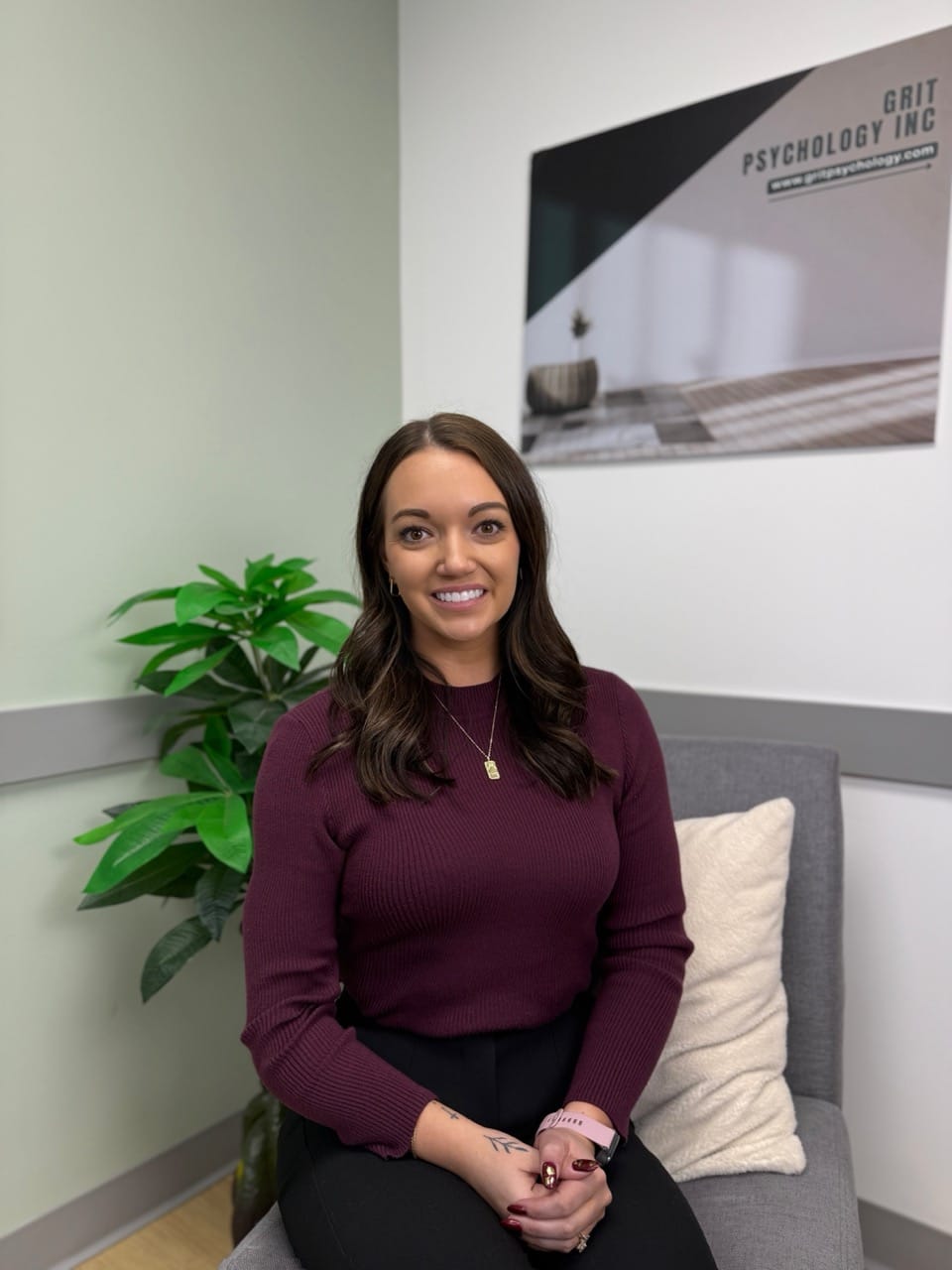
Danielle Gelleny
Virtual & In-Person

Danielle Gelleny

Provisional Psychologist
$200 per hour
Danielle supports children, teens & adults with anxiety, depression, autism, ADHD, trauma & more, plus assessments for ages 6-16.
Shaheena Kassam
Virtual & In-Person

Shaheena Kassam

Registered Psychologist
$220 per hour
Shaheena offers assessments & counselling for children, families & adults on anxiety, depression, ADHD & autism (ASD).
Returning Clients Only

Brittney Giacchetta
Virtual & In-Person

Brittney Giacchetta

Registered Psychologist
$220 per hour
Brittney works with anxiety, borderline personality disorder, burnout, chronic pain, depression, autism, trauma & more.
Kristy Honan
Virtual & In-Person

Kristy Honan

Provisional Psychologist, MACP
$220 per hour
Kristy has 13+ years working with anxiety, depression, childhood trauma, PTSD, identity crisis, body image, relationship concerns, and more.
Angela Regino
Virtual & In-Person

Angela Regino

Occupational Therapist
$170 per hour
Angela provides assessments & counselling for adults with anxiety, depression, PTSD, personality disorders & chronic pain.
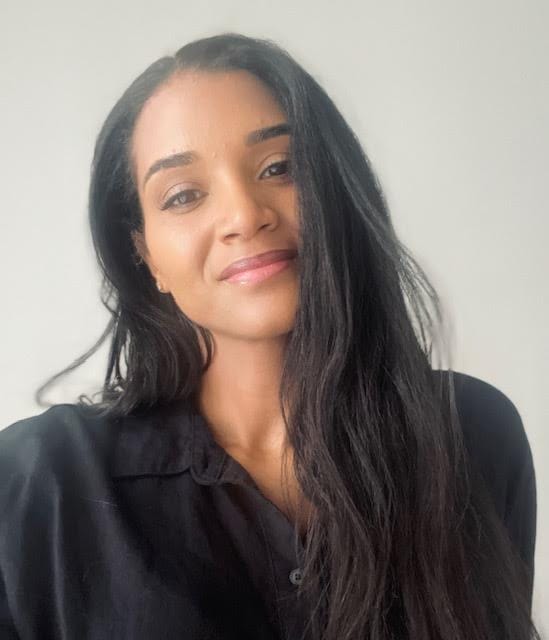
Ava McLinskarr
Virtual & In-Person

Ava McLinskarr

Provisional Psychologist
$220 per hour
Ava supports teens, adults & couples with trauma, relationship difficulties, stress, depression, anxiety, PTSD & ADHD.
Alyssa Gonzalez
Virtual & In-Person

Alyssa Gonzalez

Registered Psychologist
$235 per hour
Alyssa works with children, adolescents, & adults who experience a variety of concerns including anxiety, depression, relationship issues, parenting, trauma, family issues, stress and more.
Dr. Sharanpreet Kaur
Virtual Only

Dr. Sharanpreet Kaur

Registered Psychologist
$260 per hour
Sharanpreet specializes in trauma assessment and treatment, chronic pain, workplace issues, medication management, anxiety, grief and more.
Joel Zimmerman
Virtual Only

Joel Zimmerman

Registered Psychologist
$220 per hour
*Direct billing Available* Joel supports individuals with anxiety, depression, personal growth & trauma, plus couples & families on communication.
Megan Zmetana
Virtual & In-Person

Megan Zmetana

Occupational Therapist, MSCOT
$170 per hour
Megan, an occupational therapist, helps people return to work after illness, injury, trauma, or mental health concerns.
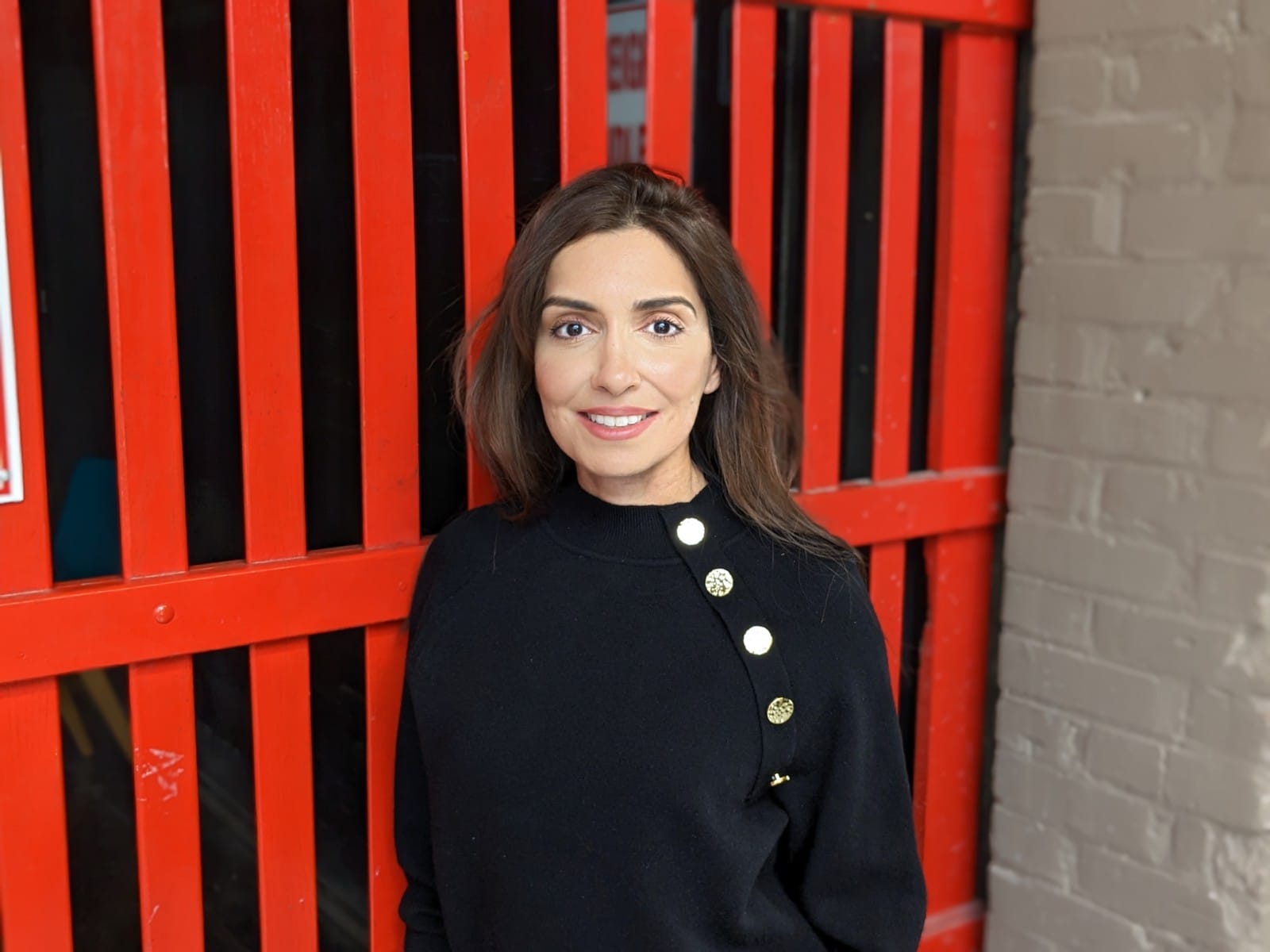
Rittu Berman
Virtual & In-Person

Rittu Berman

Occupational Therapist
$170 per hour
Rittu, an occupational therapist, helps clients regain independence after injury, pain, fatigue & life transitions.
Ty Helfrich
Virtual & In-Person

Ty Helfrich

Provisional Psychologist
$150 per hour
Ty conducts assessments for ADHD, PTSD, personality disorders, cognitive functioning, memory, IQ & general mental health.
Cecily Wang
Virtual & In-Person

Cecily Wang

Registered Psychologist
$220 per hour
Cecily helps with anxiety, depression, trauma, OCD, relationships & stress, plus assessments for ADHD, giftedness & mental health (3+).
Rameen Kargger
Virtual & In-Person

Rameen Kargger

Registered Psychologist
$350 per hour
Rameen offers assessments & counselling for couples & individuals on relationship issues, anxiety, depression, trauma & more.
Selective Clients Only
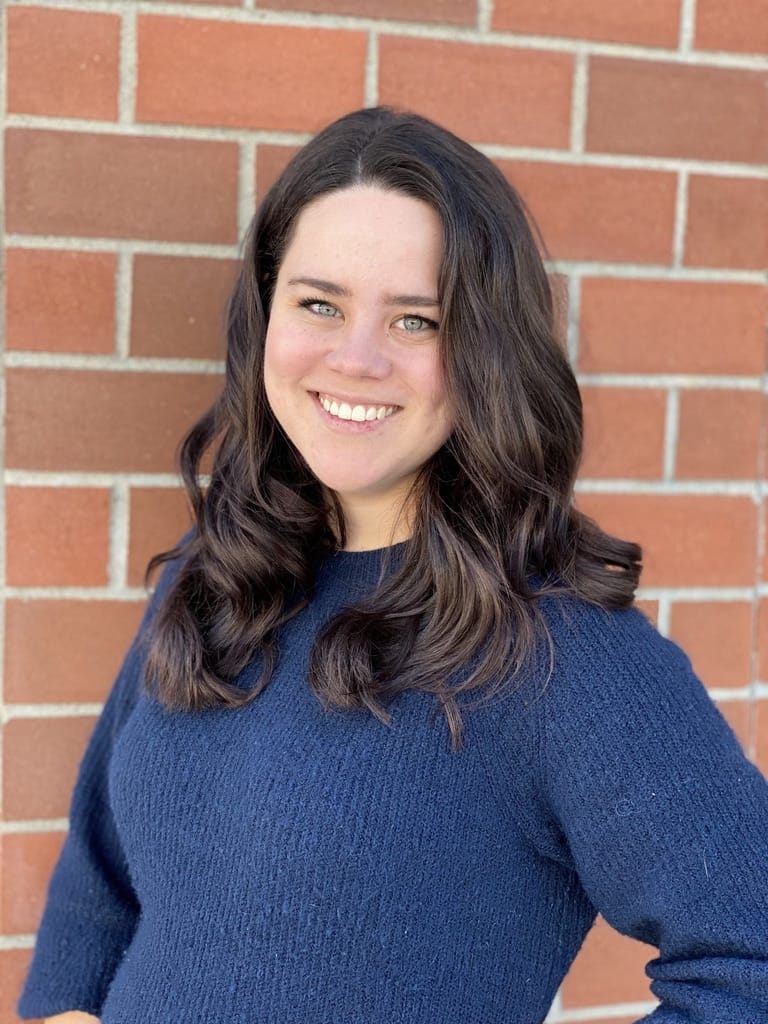
Brittin Adams
Virtual & In-Person

Brittin Adams

Occupational Therapist
$170 per hour
Brittin, an occupational therapist, supports all ages with life transitions, concussion recovery, return to work & daily living skills.
Bethany Weidman
Virtual & In-Person

Bethany Weidman

Occupational Therapist
$170 per hour
Bethany helps individuals with trauma, PTSD, brain injury, anxiety, depression, OCD, anger management, stress, and return-to-work concerns.
Jessica Murphy
Virtual & In-Person

Jessica Murphy

Occupational Therapist, MScOT
$170 per hour
Jessica provides cognitive assessments and rehabilitation for concussion, chronic fatigue, chronic pain, and mental health challenges affecting work and daily life.

Is It Postpartum Depression or the Baby Blues?

The baby blues are very common in the first few days after giving birth. You may feel more emotional, tearful or overwhelmed than usual, but these feelings typically begin to improve within about two weeks. Postpartum depression lasts longer and can feel much harder to manage, affecting your mood, relationships and ability to get through the day. If you are still struggling after two weeks, your symptoms are getting worse, or something simply does not feel right, it may be time to reach out for support.

Signs of Postpartum Depression

Postpartum depression can affect your mood, energy, thoughts and relationships. You may feel sad, empty or overwhelmed most of the time, lose interest in things you normally enjoy, or struggle to feel connected to your baby or the people around you. Other signs can include irritability, guilt, hopelessness, trouble concentrating, changes in sleep or appetite that go beyond newborn exhaustion, and a constant feeling that you're failing as a parent. If that sense of falling short feels constant, our page on mom guilt counselling may also resonate.

Postpartum Depression Can Feel Different for Everyone

Postpartum depression doesn't always look the way people expect. It might mean crying in the shower so no one notices, or going through the motions of feeding and changing your baby while feeling far away. It can feel like dreading the evening, avoiding friends who ask how motherhood is going, or lying awake even when you finally have the chance to sleep. Many parents describe it as feeling like they're watching their life from the outside. Others feel angry or on edge in a way that doesn't feel like them at all. However it shows up for you, it deserves care and attention.

What Causes Postpartum Depression?

There is rarely one single cause. Hormonal shifts, physical recovery, sleep deprivation, the demands of caring for a newborn and the emotional adjustment to becoming a parent can all play a role. Relationship stress, limited support, feeding challenges or a history of depression or anxiety may also increase the risk. A difficult or frightening birth can also leave a lasting impact, and trauma counselling can help if the experience still feels overwhelming. Postpartum depression is not a reflection of how much you love your baby or how capable you are as a parent.

Postpartum Depression Can Look Like Anxiety

Not everyone with postpartum depression feels sad. Many new parents feel anxious instead: constant worry about the baby's health, racing thoughts, trouble resting even when the baby sleeps, or a sense of dread that's hard to explain. Our anxiety counselling page explains more about how anxiety shows up. Some parents also have unwanted, frightening thoughts that pop into their mind and feel deeply upsetting. These thoughts are more common than most people realize, and they can be treated. If they feel repetitive or hard to shake, OCD counselling may help.

Intrusive Thoughts After Birth

Many new parents experience unwanted thoughts or images that pop into their mind, such as picturing the baby falling or something terrible happening. These intrusive thoughts can feel shocking and deeply upsetting, and many parents are afraid to say them out loud. Having these thoughts does not mean you want them to happen or that you're a danger to your baby. In fact, the distress they cause is a sign of how much you care. When intrusive thoughts become frequent and lead to checking, avoiding or seeking reassurance, it may be postpartum OCD.

Postpartum Anxiety vs. Postpartum Depression

Postpartum anxiety and postpartum depression often overlap, and many parents experience both. The main difference is the feeling at the centre. Postpartum depression tends to feel heavy, with sadness, emptiness, numbness or hopelessness. Postpartum anxiety tends to feel restless, with fear, worry, tension and a mind that won't switch off. You don't need to know which one you have before reaching out. A therapist can help you understand what's going on and create a plan that fits.

Is it normal to not feel connected to my baby?

Yes. Many loving parents don't feel an instant bond, and it doesn't mean anything is wrong with you or your relationship with your baby. For most parents, connection builds gradually through everyday moments: feeding, holding, soothing and learning your baby's cues. Healing from birth, running on little sleep and adjusting to a new identity can all make that connection take longer to feel.

Frequently Asked Questions About Postpartum Depression

How Common Is Postpartum Depression?

Postpartum depression and anxiety are far more common than many new parents realize. A Statistics Canada survey found that almost one in four mothers experience either postpartum depression or an anxiety disorder in the months following birth, with younger mothers most at risk. About 18% of women had symptoms consistent with postpartum depression, and about 14% had symptoms consistent with postpartum anxiety.

Can postpartum depression start months after giving birth?

Yes. Some parents feel fine at first and notice symptoms months later, often around returning to work, weaning, or when sleep deprivation and stress have built up. Late onset doesn't make it any less real. For some parents, this exhaustion overlaps with parental burnout.

Can dads and partners get postpartum depression?

Yes. Fathers and non-birthing partners can also experience depression after a baby arrives. It often shows up as irritability, withdrawal, working longer hours or feeling disconnected. Partners deserve support too, and our men's counselling is a good place to start for dads.

Is it normal to not feel connected to my baby?

Yes, and you're far from alone. Many loving parents don't feel an instant bond. For lots of people, connection builds slowly through everyday moments like feeding, rocking and getting to know your baby's little cues. Recovering from birth, getting very little sleep and adjusting to a whole new life can also make it harder to feel what you expected to feel. Not feeling that rush of love right away doesn't mean something is wrong with you or your relationship with your baby. If you feel numb or detached for more than a few weeks, it may be a sign of postpartum depression. That is very treatable, and many parents find their bond grows stronger as they start to feel more like themselves again.

What is the difference between postpartum depression and postpartum psychosis?

Postpartum depression affects your mood, energy and sense of self. It can make daily life feel heavy and overwhelming, and it needs real attention. Reaching out to your doctor or a therapist is an important step toward feeling better.

Postpartum psychosis is very rare. It affects how a person experiences reality and can include confusion, hallucinations, paranoia or beliefs that don't make sense to others. It usually begins suddenly, often within the first few weeks after birth. Because symptoms can change quickly, postpartum psychosis needs immediate medical care. If you notice these signs in yourself or someone you love, call 911 or go to the nearest emergency department right away.

Get Matched To The Right Therapist

Not sure who can help you? You can either fill out the form to be matched to a therapist that specializes in your unique situation or give us a call at (403) 588-7639.

Get Started
North Calgary
South Calgary
Airdrie
Edmonton
Red Deer

Counselling in North Calgary

Address: 2000 Pegasus Rd NE, Calgary, AB T2E 8K7
Major nearby North Calgary neighbourhoods:
Skyview Ranch
Saddle Ridge
Taradale
Coral Springs
Monterey Park
Redstone
Rundle
Pinridge
Cityscape
Abbeydale

Counselling in South Calgary

Address: 290 Midpark Way SE #330, Calgary, AB T2X 1P1
Major nearby South Calgary neighbourhoods:
Midnapore
Chaparral
Willow Park
Somerset
Millrise
Shawnessy
Evergreen
Acadia
Woodbine
Deer Ridge
Deer Run

Counselling in Airdrie

Address: Unit #17 – 620 1 Ave NW, Airdrie, AB T4B 2R3
Major nearby Airdrie neighbourhoods:
Airdrie Central
Sierra Springs
Big Springs
Piper Creek
Rocksprings
Edgemont
Horizons
Riverside
Luxstone
Silver Creek

Counselling in Edmonton

Address: 9426 51 Ave NW, Edmonton, AB T6E 5A6
Major nearby Edmonton neighbourhoods:
Strathearn
Holyrood
King Edward Park
Glenora
Westmount
North Glenora
Queen Mary Park
Oliver
Downtown Edmonton
Ritchie
Strathcona

Counselling in Red Deer

Address: Suite #104 550 Laura Ave, Red Deer, AB T4E 0A5
Major nearby Red Deer neighbourhoods:
Downtown Red Deer
Gasoline Alley
Bower
Inglewood
Anders Park
Aspen Ridge
Sunnybrook
Westerner Park
Luxstone
Morrisroe
Springbrook
Parkvale
Grit Psychology Logo